
Preparing a Child with Autism for the Dentist

“As an Orchid Academy parent, I can share that dental care has been our biggest challenge. Our child requires anesthesia for dental work and cleanings. Despite this, we regularly visit the dentist’s office to practice and acclimate, striving to improve each year during initial check-ups.
The dental professionals (and Orchid team) are allies! Every achievement, no matter how small (whether it’s managing to get into the car, driving to the office, walking inside, or sitting in the waiting room) is a significant victory. Our experiences may vary, but each step forward shows our commitment to our child’s well-being!” (Orchid Parent Graduate)
Dental visits are a common barrier for autistic kids: lights, sounds, strangers in the mouth, and long waits. We built this guide with a former Orchid parent. The same playbook works for doctor and eye appointments.
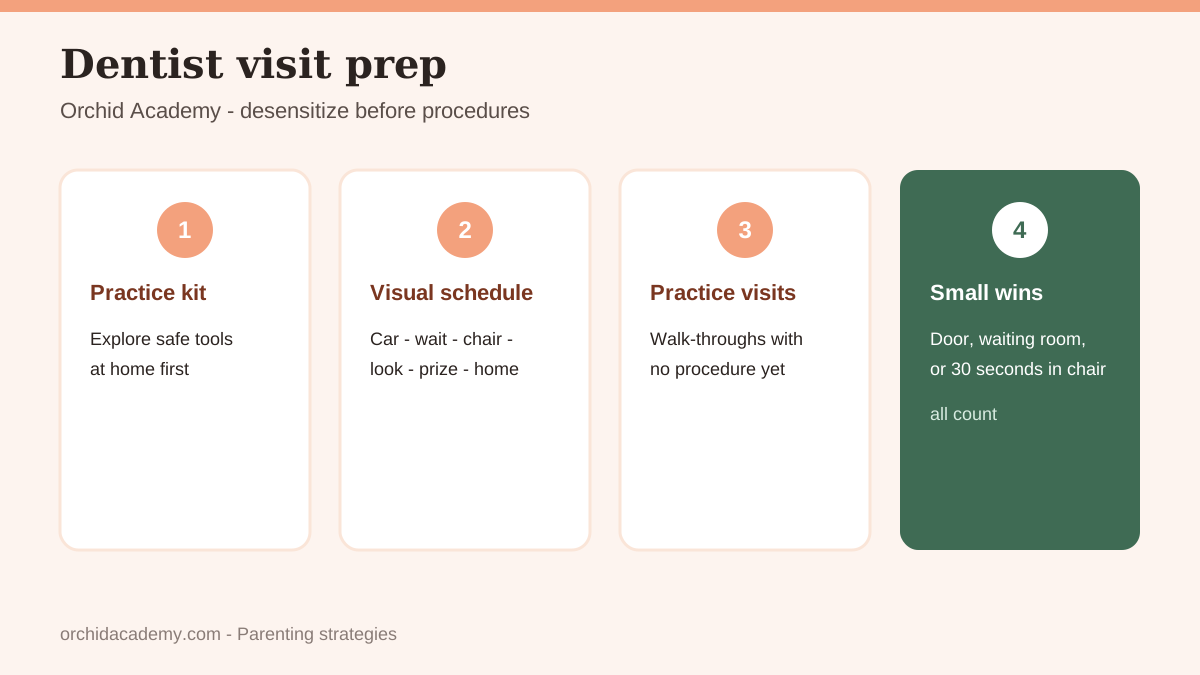
1. Set a realistic bar
A full cleaning on the first try is not the goal. Getting in the car, walking through the door, or sitting in the waiting room can be the win for that visit. Forcing a complete exam often creates a worse association for the next one.
2. Celebrate small victories
Name the progress out loud. Sitting in the chair for 30 seconds counts. So does letting the hygienist count teeth with a mirror. Positive history compounds.
3. Preview with books, videos, and pictures
Show the sequence before the day. Characters going to the dentist give your child a script for what happens and why.
4. Practice with a dental exploration kit
Borrow or buy a simple plastic dental kit so tools are familiar at home. Let your child handle safe items; you keep anything sharp. At the appointment, holding a mirror gives a bit of control. Clinics that offer desensitization visits (walk-throughs without procedures) are worth asking for. Harvard Health and dental special-needs guidance both emphasize gradual exposure over one high-stakes visit.
5. Bring comfort items
Favorite toothbrush, stuffie, weighted lap pad, headphones. Some dentists will use your child’s own toothbrush for part of the check. Continuity lowers novelty.
6. Use a visual schedule
Keep it short and concrete:
- Car ride
- Check in
- Waiting room
- Chair
- Look at teeth (show home tools that match)
- Stickers / prize
- Go home (park or preferred snack if that helps)
7. Call the dentist before the day
Ask for a quieter room, shorter wait, lights dimmed, or a practice visit. Tell them sensory triggers and what language works. They cannot adapt what they do not know.
8. Loop in your BCBA
Your BCBA can write a social story, practice the steps in session, and sometimes attend the appointment. That is fair game for medical desensitization goals when it fits the treatment plan.
Doctor and eye visits
Same idea, different tools: otoscope and stethoscope at home for doctor visits; blurry-vs-clear practice and eye-chart play for vision exams. Preparation, familiarity, and gradual exposure beat pep talks in the parking lot.
Ask your BCBA to build a plan for the next appointment, or contact Orchid if you want help starting that process.
Find out how our expert team can support your child’s journey:
Dr. Autumn Flick, BCBA
Board Certified Behavior Analyst
Keep exploring
- Parent & family training
Coaching that fits your family's routines and goals.
- ABA therapy at Orchid Academy
How we build communication, independence, and daily living skills.
- Request a call back
Ask about programs that match your child's needs.
Related Articles

How Storytelling Supports Literacy and Learning for Children
How shared storytelling builds vocabulary, sequencing, and social understanding for autistic kids—and how to use personalized stories alongside ABA goals at home.
Aug 22, 2026 · 4 min read

Picky Eaters with Autism: Embracing Mealtime with Compassion
Why picky eating is common in autism, and concrete steps for introducing new foods without turning dinner into a fight.
Feb 2, 2025 · 2 min read
An Example Toilet Training Plan for Children with Autism
A phase-by-phase toilet training plan for autistic children: scheduled trips, communication prompts, accident response, and how to fade support.
Feb 23, 2025 · 2 min read