
Handling Embarrassment When Your Child Has a Public Meltdown

A public meltdown can leave you hot-faced, short of breath, and convinced every stranger in the aisle is judging you. Those feelings are common for parents of autistic kids. They do not mean you failed. Your job in that moment is your child’s safety and regulation, not a performance for the room.
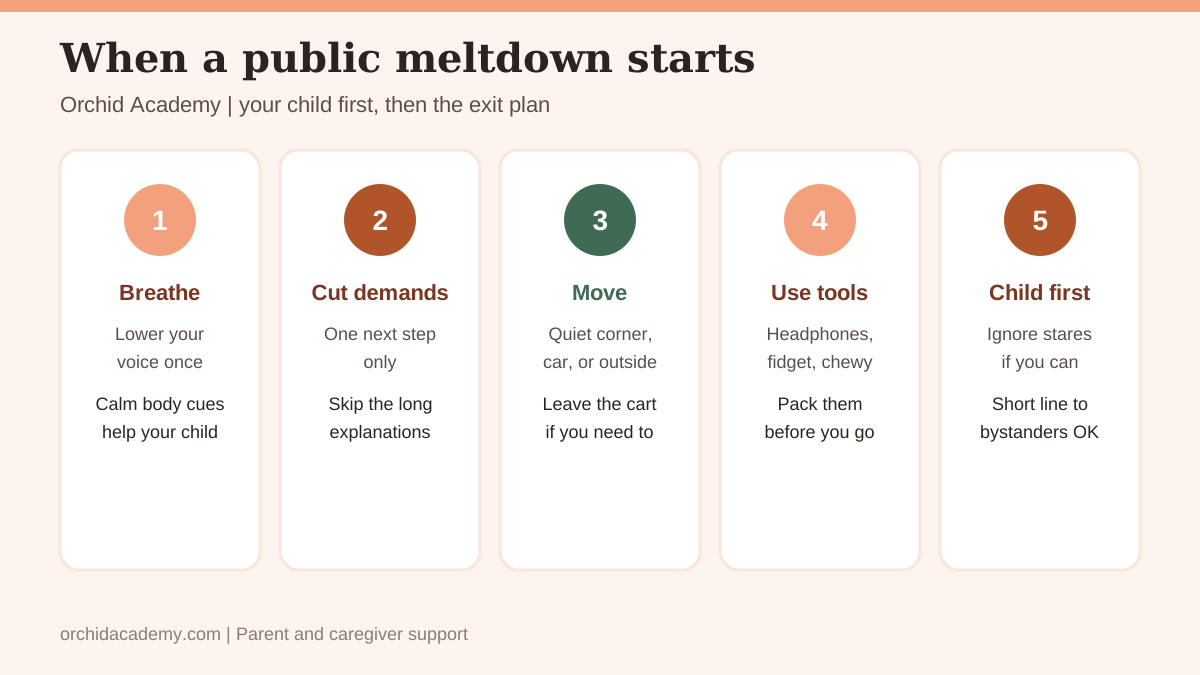
Let the embarrassment sit without turning it into shame
Feeling embarrassed is human. Naming it to yourself (“I feel watched right now”) often takes the edge off faster than arguing with the feeling. You can feel self-conscious and still move toward what your child needs.
In the moment: short moves that help
- Breathe once, then lower your voice. Your child reads your body. A calm, quieter tone beats a long explanation.
- Cut demands. Stop the shopping list, the “use your words,” and the multi-step instructions. One clear next step is enough: “We’re going to the car” or “Headphones on.”
- Move if you can. A quieter corner, the bathroom vestibule, or outside air often helps more than staying in the loudest spot to “finish the errand.”
- Use tools you already packed. Noise-canceling headphones, a chewy, a preferred fidget, or a familiar blanket can buy regulation time.
- Skip the audience. You do not owe bystanders a TED talk. If a short line helps you feel less cornered, try: “My child is overwhelmed. We’re okay.” Then return to your child.
If someone offers unsolicited advice, a flat “We’ve got this, thanks” is enough. Protect your bandwidth for the person who needs you.
Before you go out: a thin plan beats no plan
You cannot prevent every meltdown. You can stack the odds. Check rest, hunger, and sensory load before you leave. Preview the trip with a short social story or picture sequence when that helps your child. Pack a small sensory kit and name one “exit spot” (car, quiet bench, family restroom) before you need it.
We practice outing plans and regulation scripts in parent training. For disruption days when the whole routine breaks, read preventing meltdowns during challenging times. The same idea applies in a store: reduce demands, offer preferred items early, and keep language short.
Afterward: debrief yourself, then the pattern
When everyone is home and calm, note what tipped the scale (noise, wait time, denied request, hunger) and what you tried. Treat it as data for the next outing, not a courtroom for your parenting. Small wins count: you got to the car, you used headphones, you left the cart and walked out.
Other parents who live this rhythm can be a relief. So can a BCBA who knows your child’s triggers and can help you build a concrete outing plan.
Public meltdowns will still happen some days. What changes is how prepared you feel and how quickly you can shift from “everyone is staring” to “what does my child need next.”
If outings keep ending in crisis, contact Orchid or talk with your BCBA. We can help you build a plan that fits your child and the places your family actually goes.
Find out how our expert team can support your child’s journey:
Dr. Autumn Flick, BCBA
Board Certified Behavior Analyst
Keep exploring
- Parent & family training
Practical strategies so skills transfer from session to home.
- Talk with our team
Request a call back about care for your child.
- Telehealth ABA in Washington
Parent training and ABA support by Zoom statewide.
Related Articles

How Storytelling Supports Literacy and Learning for Children
How shared storytelling builds vocabulary, sequencing, and social understanding for autistic kids—and how to use personalized stories alongside ABA goals at home.
Aug 22, 2026 · 4 min read
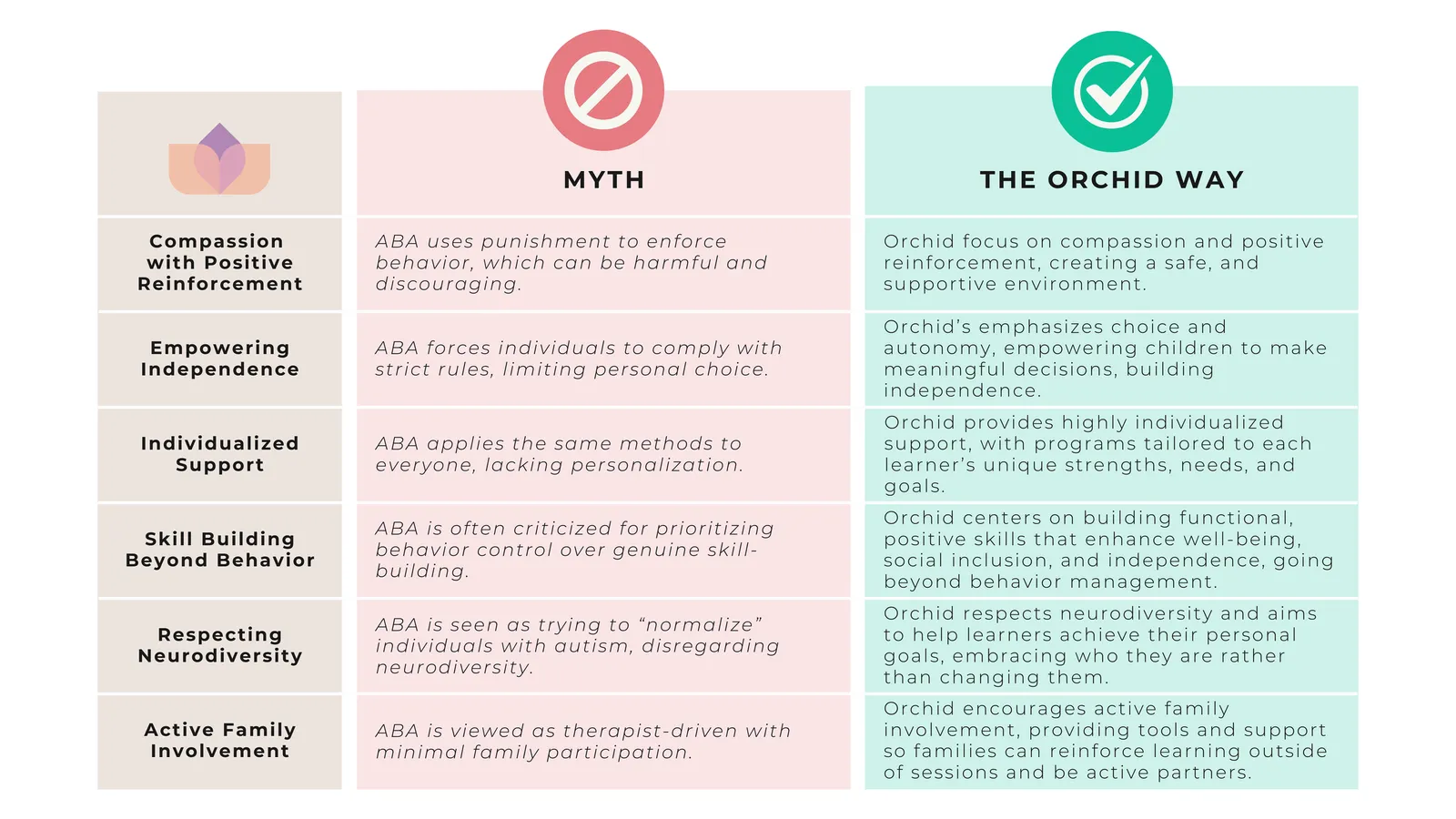
Is ABA Therapy Harmful? Why I'm Pushing Back on the Criticism
Is ABA therapy harmful? Dr. Flick answers the live objections: punishment, identity, and training kids not to be autistic, plus how to tell quality ABA from a bad clinic.
Aug 21, 2026 · 5 min read
Sensory-Friendly Activities on Seattle's Eastside
Sensory-friendly activities around Bellevue, Woodinville and Seattle: which museums, theatres and cinemas run low-sensory hours, when they actually happen, and where the support is available any day you walk in.
Aug 13, 2026 · 6 min read