
When ABA Hasn't Felt Right: Switching ABA Providers

Some families find us right after diagnosis. Many arrive after another ABA experience that did not feel safe, respectful, or useful. Switching is hard. It is also allowed.
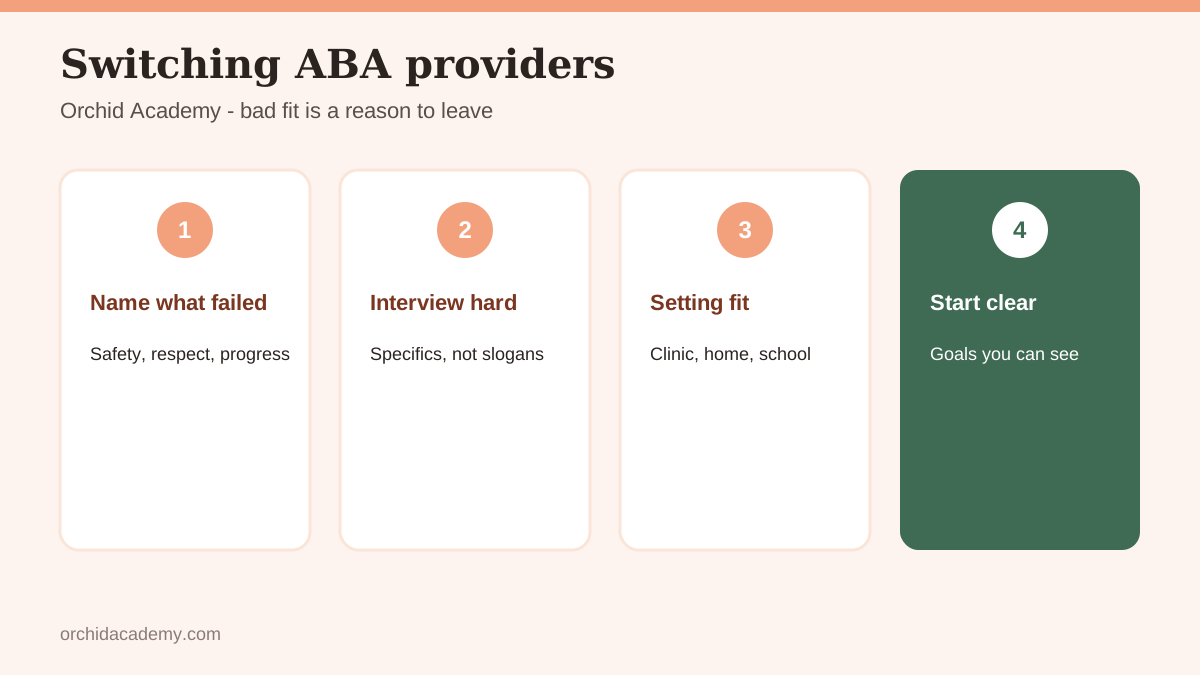
If the last placement hurt trust
Hope and caution can sit in the same room. We take that seriously. Bad ABA exists; so does careful ABA. Your job is to interview the next team with specifics, not vibes. Use questions to ask a new provider and our approach.
What to look for the second time
- Trauma-informed, dignified care: no forced compliance for its own sake
- Personalization: clinic, home, school, or hybrid based on goals (academy vs in-home)
- Clear progress data parents can see
- Parent coaching built in, not optional theater
- Coordination with speech, OT, and school when those partners exist
What starting over looks like here
- Free consult: your story, what failed before, what you want now
- Assessment and a plan tied to quality-of-life goals
- Therapy in the setting that fits
- Ongoing communication. You are part of decisions.
We will not promise miracles. We will promise respect, ethical practice, and partnership. Read Is ABA harmful? for how we think about criticism of the field.
Schedule a consult, browse ABA therapy, or find a location.
Red flags versus a hard first month
A new placement is often bumpy. Your child is meeting new people in a new room. Tears at drop-off in week one are common. Leave if the pattern stays: no data, no coaching, or fear-based plans.
Leave, or at least pause and interview someone else, if you see:
- Staff using fear, humiliation, or “we don’t allow that here” as the behavior plan
- No one can show you data, or the data never changes the program
- You are locked out of sessions and parent training is a handout, not coaching
- Goals ignore communication, safety, or the skills you said mattered
- High staff turnover with no plan for who is with your child tomorrow
- Pressure to sign more hours than the assessment supports, or to keep hours the assessment no longer supports
Stay through the adjustment if the team names what is hard, changes the plan when the data says to, and treats you as a partner. Quality ABA is what the team does on hard days.
How to switch without a gap in care
Look without asking the old clinic. Make a plan so authorization and staffing do not leave you with two empty weeks.
- Call the new provider and tell them you are transferring. Ask how long benefits verification and assessment take on your plan.
- Request records from the current clinic in writing: treatment plan, recent progress graphs, behavior plans, and the diagnostic report they have on file. You have a right to your child’s records. Clinics vary in how fast they send them.
- Ask the new clinic whether they can overlap for a short window (assessment at the new site while the old auth is still active) or whether there will be a pause.
- Tell the current clinic a last-day once the new start date is real. Abrupt no-shows burn the staff who still have to close the file, and they can delay records.
- If insurance is involved, a new authorization usually has to be submitted. Same diagnosis, different provider, still paperwork. See how the ABA insurance process works.
If the last clinic was a poor fit, say so in the consult. “Forced compliance,” “no parent training,” or “my child was scared of staff” helps the next team staff and plan. “It just didn’t work” does not.
What the first 30 days should look like
A decent first month includes:
- An assessment tied to the goals you named, not a generic curriculum packet
- A written plan you can read in plain language
- Named staff, backup staff, and how you reach the BCBA
- A parent-coaching cadence you can see on a calendar
- Agreement on setting: clinic, home, school, or hybrid. Use academy vs in-home if that decision is still open.
If 30 days in you still cannot name who is on the team or what this week’s targets are, that is data. Bring it to the BCBA. If nothing changes, keep interviewing.
Frequently asked questions
Will switching ABA providers reset all of our progress? Skills your child already has do not vanish because the logo on the building changed. A new team should assess, keep what is working, and drop what was theater. Some goals will be rewritten. That is the point of leaving a bad fit.
Do we have to tell the old clinic why we are leaving? No. A short last-day notice and a records request are enough. If you want to give feedback, put it in writing so it cannot be softened in a hallway conversation.
Can we switch if our child is mid-authorization? Usually yes. The new provider submits their own authorization. Timing depends on the carrier. Ask both billing teams to talk to each other rather than playing telephone through you.
What if ABA itself is what felt wrong? Read Is ABA harmful?. Some criticism of the field is fair. Some of it describes practices we will not use. A consult is the right place to sort which one you lived through.
Find out how our expert team can support your child’s journey:
Dr. Autumn Flick, BCBA
Board Certified Behavior Analyst
Keep exploring
- Why families choose Orchid
Trauma-informed, relationship-first ABA.
- Visit a location
See the rooms and teams behind the care.
- Start care
Request a call back to tour or enroll.
Related Articles

Books for Children with Autism: Our Winter Reading List
Five books we're reading with learners this winter, what makes a book work for autistic children, and how to use them at home.
Dec 5, 2024 · 3 min read

Maple Street After the Flood: Rebuild, Redesign, New Layout
How Maple Street recovered from the flood: temporary setup, the redesign for older learners, and what the new layout looks like now.
Mar 7, 2024 · 2 min read