
Affirmations for Parents of Children with Autism

Why We Use Affirmations
(Dr. Autumn Flick)
In my own parenting journey, I’ve personally struggled with self-doubt, often telling myself that I’m not good enough and dwelling on mistakes instead of celebrating accomplishments. Being a parent is filled with both joys and challenges, and when your child has autism, those challenges can feel especially daunting. As parents of children with autism, we need to take care of ourselves as well as our children. Affirmations help with that. They are a practical tool for catching our thoughts and keeping negative self-talk from becoming a constant companion.
Recommended Affirmations:
-
“I am a loving and supportive parent, doing my best to understand and meet my child’s unique needs.”
-
“I am patient, and I stay with the work of helping my child grow and thrive.”
-
“I celebrate every small achievement my child makes, knowing that progress matters.”
-
“I am an advocate for my child, and I will do whatever it takes to ensure their well-being and happiness.”
-
“I am strong and resilient, capable of handling the challenges that come with parenting a child with autism.”
-
“I am grateful for the special bond I share with my child, and I cherish every moment we spend together.”
-
“I believe in my child’s potential, and I will provide them with the love and support they need to reach their goals.”
-
“I am not alone on this journey; there is a community of support and understanding that I can lean on.”
Pick two or three affirmations that actually sound like you and say them on the hard days. You are not doing this alone.
How to use them without pretending you are fine
Pick two that do not make you roll your eyes. Write them on a note in the car, on your phone lock screen, or on a card in the kitchen. Say them out loud on the worst mornings, not only on the calm ones. The point is to interrupt the loop of “I am failing” long enough to make the next cup of coffee and the next phone call.
If a line feels fake, rewrite it in your own words. “I am doing the next right thing today” is enough. You do not need a poster.
Pair them with sleep, a benefits check, or a second adult in the house: first months after diagnosis, parent burnout in summer, or when two parents disagree.
Why this job produces self-doubt
You are making high-stakes decisions with incomplete information: hours, schools, insurance, whether to leave a party. Other parents get a gold star for a soccer snack. You get a stare in the grocery store. The comparison is rigged.
Guilt also shows up after a diagnosis, after a public meltdown, and after a week where you snapped. Naming that pattern is more useful than collecting more inspiring quotes. You can be a loving parent and still need a break.
If the self-talk is constant and you cannot sleep, that is bigger than a note on the fridge. Talk to your own doctor or a counselor. Getting help for you is part of the child’s care.
Frequently asked questions
Do I have to believe the affirmation for it to help? You have to be willing to say a truer sentence than the one that is attacking you. Belief can lag.
What if my family thinks this is cheesy? Then keep it private. You are interrupting a thought.
Where do we find other parents who get it? Start with community support after diagnosis and the new autism diagnosis guide. A clinic parent-training group counts, and so does one other parent who will tell you the truth.
Find out how our expert team can support your child’s journey:
Dr. Autumn Flick, BCBA
Board Certified Behavior Analyst
Keep exploring
- Parent & family training
Practical strategies so skills transfer from session to home.
- Talk with our team
Request a call back about care for your child.
- Telehealth ABA in Washington
Parent training and ABA support by Zoom statewide.
Related Articles

How Storytelling Supports Literacy and Learning for Children
How shared storytelling builds vocabulary, sequencing, and social understanding for autistic kids—and how to use personalized stories alongside ABA goals at home.
Aug 22, 2026 · 4 min read
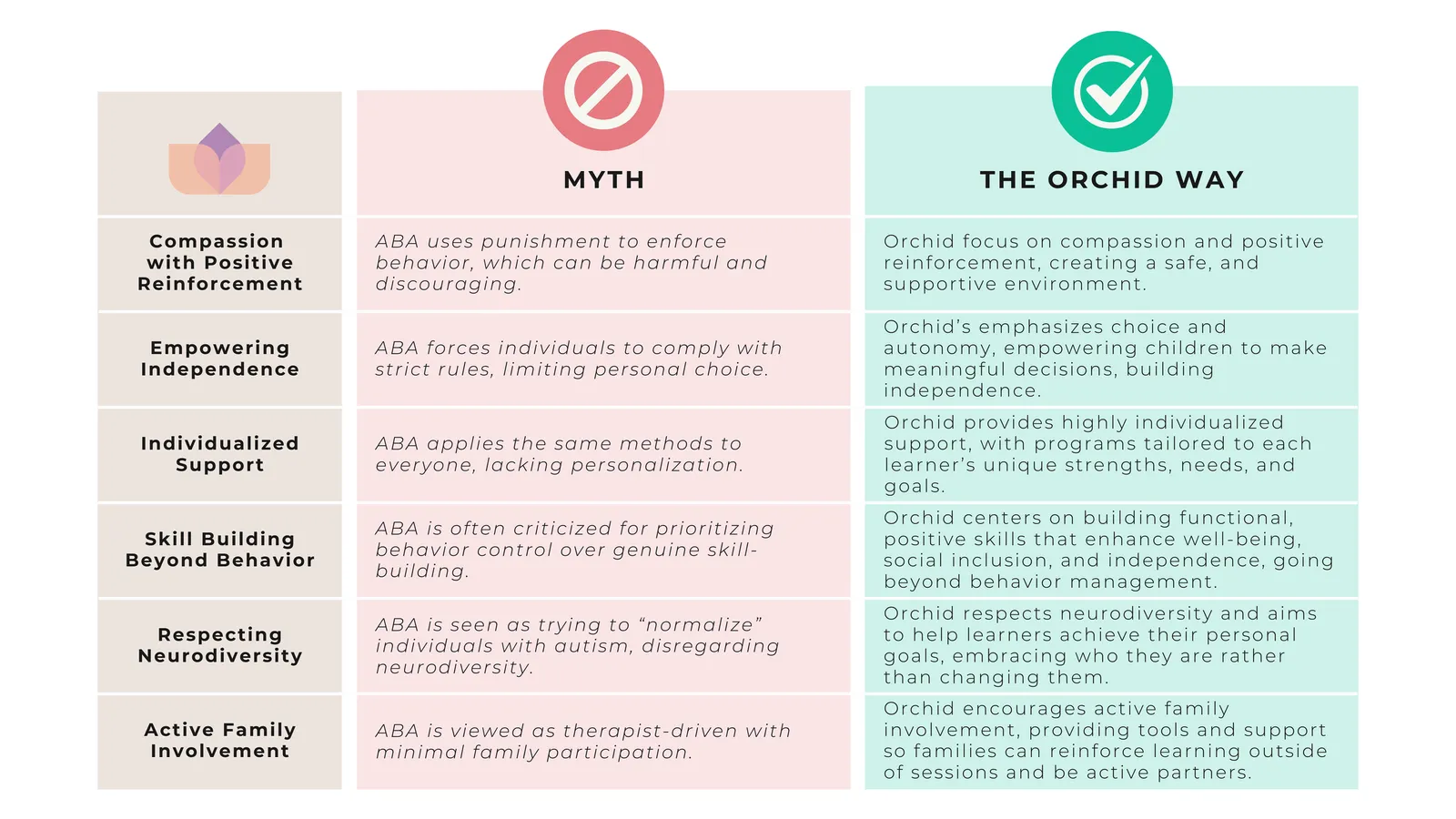
Is ABA Therapy Harmful? Why I'm Pushing Back on the Criticism
Is ABA therapy harmful? Dr. Flick answers the live objections: punishment, identity, and training kids not to be autistic, plus how to tell quality ABA from a bad clinic.
Aug 21, 2026 · 5 min read
Sensory-Friendly Activities on Seattle's Eastside
Sensory-friendly activities around Bellevue, Woodinville and Seattle: which museums, theatres and cinemas run low-sensory hours, when they actually happen, and where the support is available any day you walk in.
Aug 13, 2026 · 6 min read